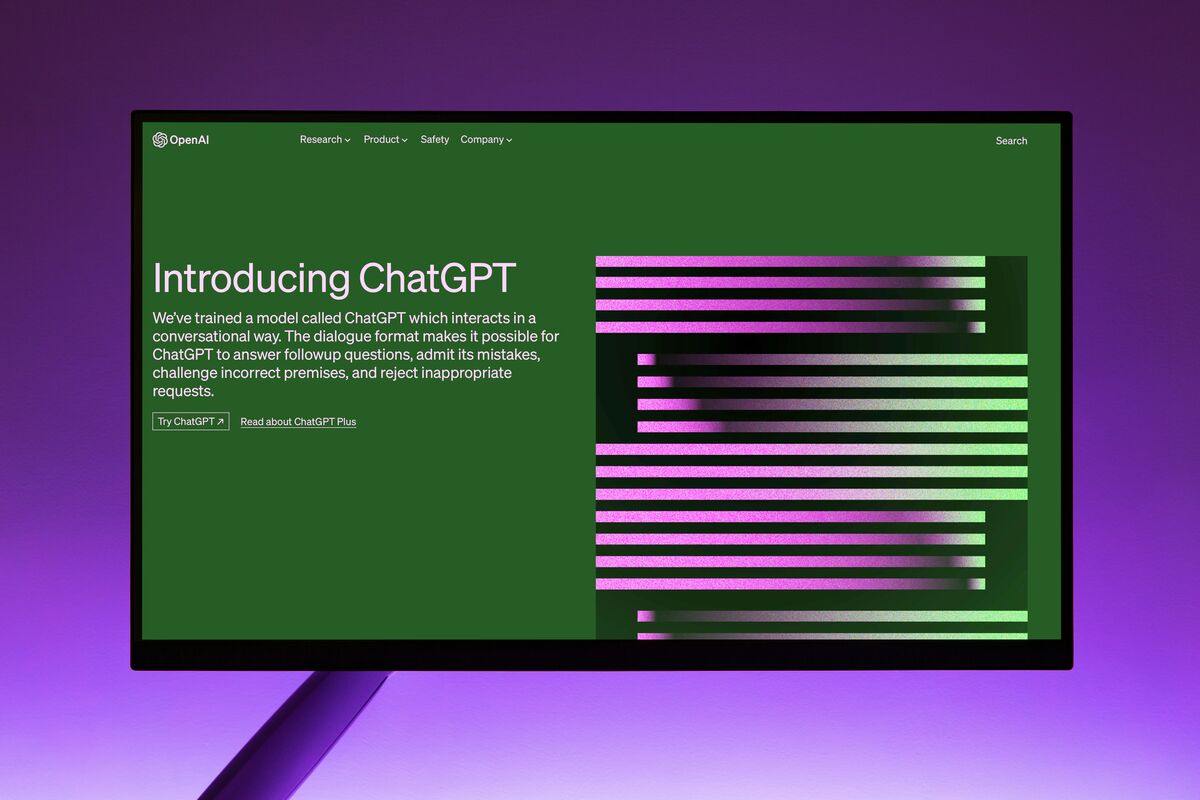
Artificial Intelligence (AI) is no longer a futuristic concept; it is a driving force behind the rapid evolution of software development. As the complexity and scale of software systems increase, developers are turning to AI-powered tools and frameworks to automate tasks, boost productivity, and enhance code quality.
The journey includes innovations in machine learning, natural language processing (NLP), and computer vision, which are now integral parts of IDEs, testing suites, and DevOps pipelines.
AI-Powered Code Generation and Assistance
One of the most tangible impacts of AI in software development is code generation. Tools like GitHub Copilot, Amazon CodeWhisperer, and Tabnine use large language models to assist developers by suggesting entire functions, refactoring code, and even writing documentation.
These models are trained on billions of lines of code, allowing them to understand context and recommend intelligent solutions in real time. This reshapes development workflows, reduces boilerplate, and enables even junior developers to tackle complex coding challenges with greater ease and confidence.
Intelligent Testing and Bug Detection
Testing is a critical phase in software development, often consuming significant time and resources. AI-driven testing tools are now capable of automatically generating test cases, detecting anomalies, and predicting areas of the codebase likely to contain bugs.
Machine learning models can analyze historical bug data to forecast future issues or suggest targeted tests. This reduces time-to-release and enhances software reliability. Companies leverage tools like Testim, Applitools, and Diffblue Cover to streamline their QA processes with impressive efficiency and accuracy.
Enhanced DevOps and Automation
DevOps practices benefit significantly from AI integration, particularly in continuous integration/continuous deployment (CI/CD) pipelines. AI models can predict deployment failures, optimize resource allocation, and automate incident response.
Tools like Harness, Datadog, and New Relic integrate AI to offer proactive monitoring, real-time analytics, and intelligent alerting. AI is also enabling self-healing systems that detect and resolve infrastructure issues autonomously, thereby minimizing downtime and operational costs.
Personalization and User Experience Optimization
AI enables developers to create highly personalized user experiences by analyzing behavioral data, usage patterns, and real-time feedback. From dynamic UI adaptation to predictive content delivery, AI allows for applications that evolve alongside their users.
Technologies like recommendation engines, chatbots, and adaptive interfaces are being integrated into software products, leading to higher user satisfaction, engagement, and retention. Real-world examples from e-commerce, fintech, and healthcare apps illustrate the transformative potential of AI in frontend development.
Ethical Considerations and the Future of AI in Development
As AI becomes more embedded in software creation, ethical concerns such as data privacy, algorithmic bias, and explainability come to the forefront. Developers and organizations must adopt responsible AI practices to ensure transparency, fairness, and accountability.
The future of AI in software development highlights trends like AI pair programming, autonomous systems, and the growing need for AI governance frameworks in engineering teams.
Appgile